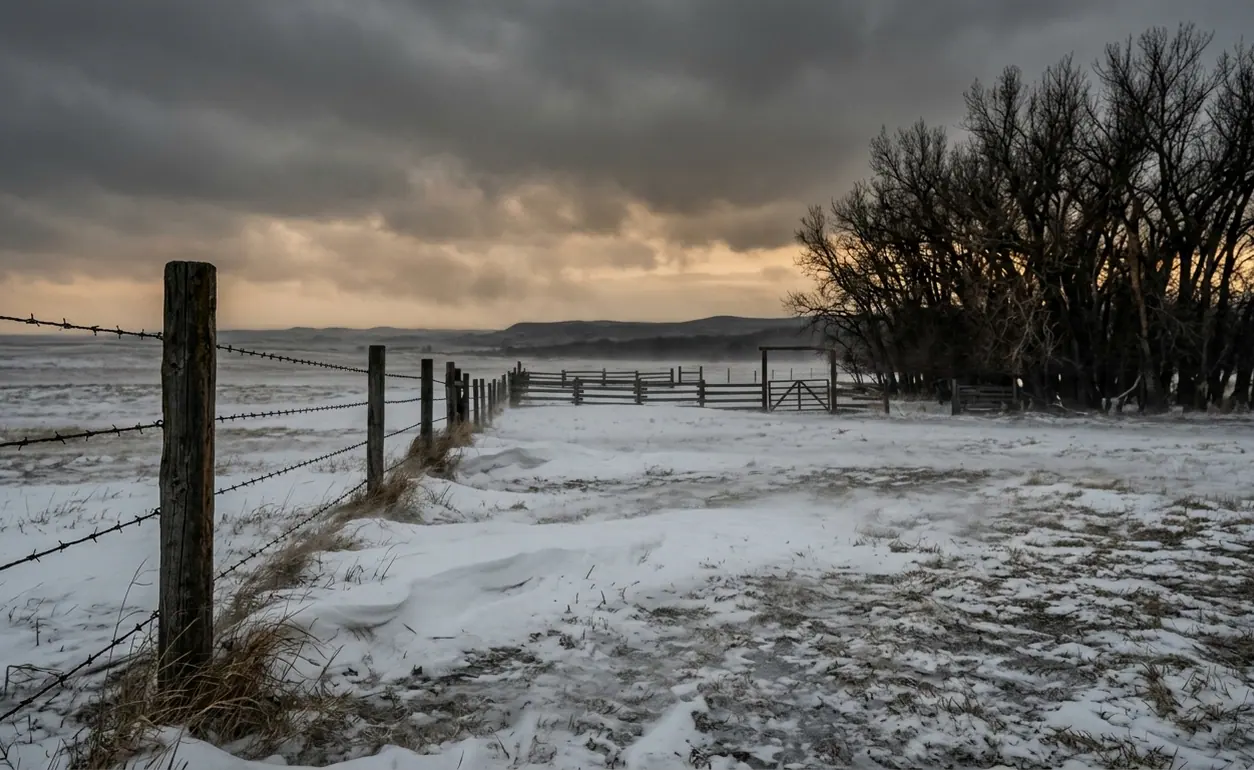
The Northern Plains Year Keeps the Courtship Clock
A ground blizzard closes the county road. Summer dries the pasture around a stock tank. Spring thunder sends a working couple toward the cattle before either can finish a difficult conversation. In these ranch love stories, weather determines access, obligation, and the time available for intimacy.
For readers of Kathleen Eagle’s Western romances, this offers a precise reading question: which ranch task controls the next emotional turn? A social invitation gives characters an appointment; livestock care gives them an obligation that survives an argument. Travel, water hauling, and feeding become structural forces when postponing them carries consequences for the household. The courtship must keep their hours.
The seasonal comparison rests on distinct pressures. Winter confines people within reach of one another. Drought wears down the household through repetition. A spring squall compresses a decision into the interval before the rain.
The useful measure is the relationship between a necessary chore and a changed exchange. Who speaks while another person tends the stove? Who returns to help with water after a quarrel? Following those actions keeps interpretation close to the ranch kitchen and fenced pasture, where affection acquires a visible cost in time and effort.
Whiteouts Put Unfinished Conversations Under One Roof
The ground blizzard removes the ordinary exit. Blowing snow erases sightlines, drifts obscure fences, and the county road ceases to offer a way out. Characters who might have ended an uncomfortable visit must remain within hearing distance. Yet the household still has work to do.
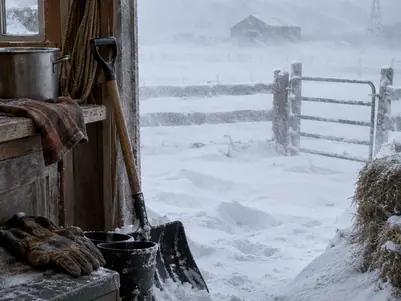
A Manila guide rope stretched between porch and barn gives the passage a physical connection to follow. At one end stand the kitchen, stove, and unfinished conversation; at the other wait the calving heifers. Checking stock, breaking tank ice, feeding, and tending a kerosene lamp divide the confinement into repeated departures and returns. Each return brings the characters back to something they have left unsaid.
The Chore Beneath the Confession
Read the labor before reading the declaration. One person may keep the stove going while the other comes back from the barn. That division of effort establishes attention before dialogue names it. The scene gains emotional pressure because neither person can simply leave the consequences behind.
A common interpretive mistake treats the whiteout as an automatic source of tenderness. Confinement can also sharpen resentment, expose unequal work, or make silence harder to bear. The revealing sentence answers a particular pressure: an accusation left hanging beside the stove, a question delayed until the stock check ends.
The closed road withholds distance. The ongoing chores determine what the couple does with that enforced nearness.
Dry Pastures Test Who Keeps Returning
Drought shifts the measure of devotion from a charged encounter to sustained participation. The household can move around, but its responsibilities follow it. Water must reach the cattle; someone must inspect the tank again. Heat makes the repetition harder without supplying the clean dramatic boundary of a storm door closing.
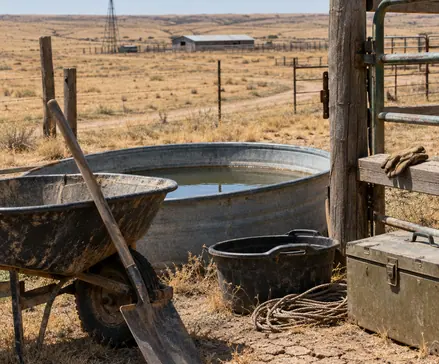
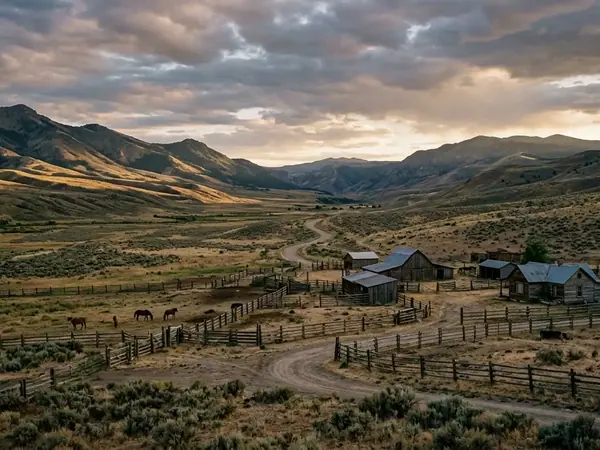
Flatbed water tanks, windmill float valves, and thinning grass give the dry weeks their working vocabulary. Decisions about which yearlings the pasture can carry enter the kitchen with the people making them. A short answer over a meal can carry the strain of an afternoon spent watching water and forage. The romance develops within that accumulated fatigue.
Affection at the Stock Tank
The strongest comparison with the blizzard concerns choice. Snow keeps two people together; drought repeatedly presents work that someone must agree to share. Returning for another water-hauling trip becomes legible as commitment when the previous trip ended in irritation. Practical cooperation gives the relationship continuity through an unsettled conversation.
For close reading, follow who notices the next task and who assumes responsibility for it. Equal dialogue does not necessarily mean equal effort. A quiet action beside the tank may change the balance more than a long kitchen exchange.
Patience here has a material expression: the same chore receives care again, even while tempers remain short.
Spring Thunder Brings the Unspoken to a Deadline
The spring squall changes the scene’s tempo. Winter extends proximity, and drought accumulates strain; thunder cuts into the available time. A dark anvil cloud on the western horizon gives the characters something immediate to watch while an emotional question presses for an answer.
The practical sequence supplies the scene’s movement. Cattle occupy low coulees, barn doors swing loose, and open pasture separates people from shelter. Moving stock and securing the doors demand attention. Dialogue must fit between those actions, which can strip an exchange down to its essential words.
This is where a confession earns its urgency through placement. An admission beside a barn door carries a different force from the same admission during an unhurried kitchen conversation. The speaker must choose whether to say it while there is still a moment together. The other person must respond while shared work continues.
Compare the demands each weather pattern places on the couple: remain within reach, sustain the household, or speak before the next task separates them. Those pressures give the seasonal scenes distinct emotional shapes. Thunder brings a deadline to the pasture, and the relationship encounters that deadline through the work already underway.
Reread the Closed Road, the Water Tank, and the Barn Door
A focused reread can begin with a ground-blizzard passage. In a trade paperback, a slip of paper beside the scene can hold a brief note; in an e-format, a highlight can preserve the decisive exchange. Record who cannot leave, which chore continues, and which sentence emerges from the enforced proximity.
Then set that passage beside a dry-weather sequence in the same kind of ranch household. Track the repeated action rather than looking immediately for another declaration. Water hauling may occupy the place that dramatic stranding held earlier. Watch whether the characters volunteer, withdraw, or quietly resume a shared task after disagreement.
The comparison becomes sharper when the notes name objects: the porch rope, the flatbed tank, the barn latch. Each object ties an emotional interpretation to something the characters actually handle. Changes in dialogue then become easier to hear against changes in work.
Leave the book open at the thunder scene. A finger holds the line where the heifers must leave the low coulee. Farther down the page, a hand reaches for the barn latch. The reader pauses over the words spoken before that hand lets go.