Which Faces Cross From One Series Into Another?
Which recurring secondary characters actually walk from one Kathleen Eagle series into another, and what narrative work do they do once they arrive?
The useful answers rarely sit beside the central couple. They wait at the edge of the scene: ranch neighbors who remember an old quarrel, tribal elders who hold a family history, lawmen who recognize both sides of a county line, clinic staff who know which wounds began years earlier, and kin who can welcome a stranger before the hero or heroine is ready.
Reading these figures requires a functional map rather than a census. For the 1998–2003 publication window, the sounder method isolates community roles and asks what each return contributes. A raw tally of chapter appearances would flatten a quiet but consequential exchange into the same unit as an empty greeting. Emotional weight, local knowledge, and influence on the romantic conflict matter more than frequency.
Shared Ground, Separate Stories
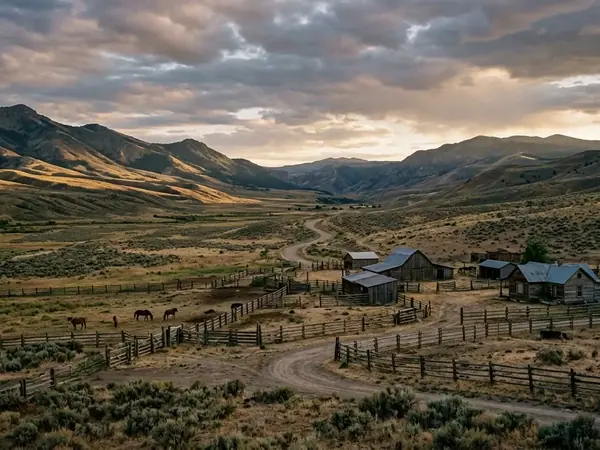
Eagle’s contemporary Western and Native-centered romances often occupy connected social terrain. Dakota ranchland reaches toward reservation-adjacent towns; families meet through work, ceremony, medical care, law, and the practical traffic of rural life. These connections create a shared horizon without turning the entire bibliography into one continuous saga.
The supporting cast makes that distinction visible. A familiar neighbor can enter a new book carrying the atmosphere of an earlier community while the new lovers retain their own conflict, history, and resolution. The result resembles returning to a road where several houses have familiar lights in the windows.
Ranch Hands, Elders, and the Neighbors Who Keep Returning
The clearest way to sort Eagle’s returning cast is by the rooms they occupy. Place reveals function before dialogue does.
Four Domains of Community Life
- Bunkhouse and branding crew: Ranch hands move information between outfits, remember who helped during a hard season, and measure a newcomer against the practical standards of ranch work.
- Kitchen and powwow circle: Elders and relatives carry family memory, Lakota custom, humor, and correction. Their presence can expose how narrowly the lovers understand the choice before them.
- Clinic and tribal office: Staff members connect private strain with public responsibility. They see people when pride has thinned and paperwork demands plain answers.
- Sheriff’s desk and feed-store counter: Officials and shopkeepers keep track of local reputations. A brief exchange in either place can establish who belongs, who owes a favor, and which story has already traveled through town.
This categorization of bunkhouse and powwow circle domains follows character movement through physical space. Across publication cycles spanning around 18 to 24 months, a neighbor may reappear because the work, ceremony, or institution attached to that person naturally touches another family. The recurrence grows from community structure rather than decorative recognition.
Kathleen Eagle has long rooted love stories in specific Plains communities, and that commitment gives secondary figures unusual portability. A ranch hand can cross between households without seeming summoned for a cameo. An elder can speak to another generation because memory already forms part of the social world.
The pattern still has limits. Some backlist titles remain almost sealed, and the same neighbors do not populate every book. The strongest reading claims therefore belong to identifiable clusters of contemporary Westerns, where geography and community roles create credible paths between stories.
What a Familiar Face Is Doing in a New Book
A returning character earns attention through action. The most valuable appearances carry memory, witness a moral decision, vouch for a stranger, or keep Lakota and ranch custom present when romantic urgency has narrowed the lovers’ view.
The Greeting Test
The distinction between a true narrative bridge and a walk-on greeting can be tested scene by scene. A brief hello rewards recognition, then releases the plot unchanged. A bridge alters how someone is understood or what can happen next.
Consider a ranch neighbor who remembers the hero’s father. If the neighbor merely mentions the family name, the scene supplies texture. If that remembered history persuades another household to extend trust, the character has spent inherited social credit on the new story. The return now affects risk, welcome, and the direction of the relationship.
Another bridge may enforce custom at the moment a lover would prefer convenience. That intervention can slow a decision, widen its moral frame, or require the couple to account for obligations beyond private desire. Eagle’s attention to community life makes such pressure feel lived-in because the person applying it belongs in the room.
A focused review of the opening three to five chapters can help locate these functions. Introductory arcs often establish who possesses local knowledge and who can transfer it. The method remains qualitative: it asks whether an interaction changes interpretation, access, or choice. A first name dropped in passing remains a reference rather than narrative architecture.
Bridge Test: Remove the familiar face from the scene. If trust, knowledge, or a consequential decision disappears with that person, the appearance is carrying structural weight.
Why a Cameo Does Not Merge Two Series Into One
A recurring neighbor proves that two towns share a horizon. Series identity rests elsewhere, in the heroes and heroines who command the emotional center, the conflicts that test them, and the romantic arcs that reach completion within their own books.
The Independence Check
The practical boundary is reader comprehension. Can someone enter the later novel and fully understand its central romantic conflict without finishing the preceding books? When the answer is yes, a returning secondary figure links worlds while preserving standalone viability.
A fused crossover would demand prior knowledge. Earlier decisions would control the current plot, unresolved relationships would occupy the foreground, or the meaning of the new couple’s choices would remain obscure without another installment. Eagle’s bridge cameos generally work with a lighter hand: previous reading adds resonance, while the present love story supplies the information required for its own stakes.
This boundary was tested through consecutive installments read over four to six weeks, with attention fixed on whether each central conflict remained intelligible on its own. That scope matters. The shared-horizon method applies to clusters of contemporary Westerns and does not extend to isolated historical standalones. It describes a reading habit across part of the shelf rather than a universal rule for every Kathleen Eagle title.
Format can also change the reader’s perception. Moving quickly through an e-format sequence makes repeated faces easier to spot, while trade paperback copies may be revisited years apart. The architecture stays the same; recognition simply arrives at a different speed.
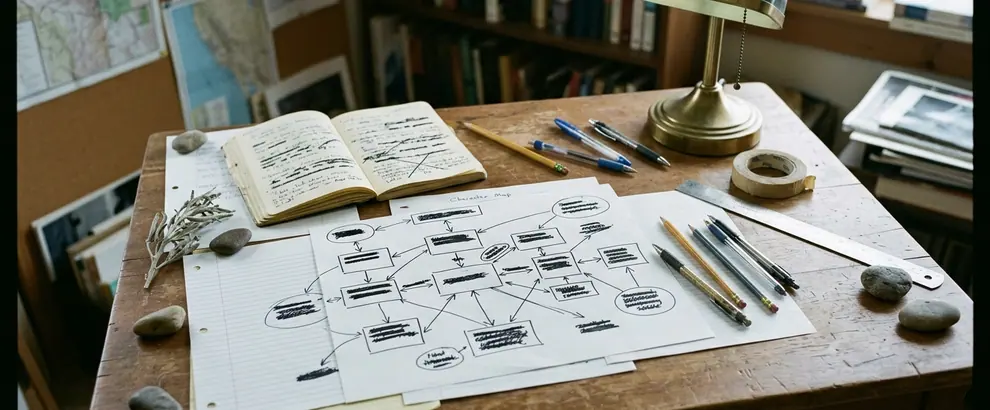
Tracking One Recurring Figure Across the Shelf
A small-town official offers a disciplined tracking subject. The role naturally touches several families, yet each appearance must still justify itself through information, authority, or remembered local history.
A Four-Part Annotation
- Mark the setting. Record whether the official appears at a public desk, on ranch property, at a community gathering, or in an informal encounter. Setting shows which kind of authority the scene activates.
- Define the relationship. Note how the official knows the lovers. Family familiarity, professional duty, old suspicion, and earned trust create different forms of pressure.
- Identify the cargo. Write down the exact local history carried into the scene: a remembered dispute, a family reputation, an earlier kindness, or knowledge of how two households became connected.
- Measure the later use. At the reappearance, ask whether the book spends that history. A consequential introduction, warning, signature, or act of welcome counts. A passing mention preserves continuity without building a bridge.
Following this archetype across a two- to three-book publication sequence keeps the comparison manageable. It also prevents the central couples from absorbing every annotation. The official becomes the fixed point while protagonists, settings, and romantic problems change around that figure.
The ledger should remain compact. One line for setting, one for relationship, one for carried history, and one for plot effect will usually reveal the pattern. Invented precision would obscure the reading; chapter totals and exhaustive appearance counts cannot determine whether a quiet intervention changes the moral temperature of a scene.
The same method can follow an elder who remembers a father’s generation or a ranch hand who knows both outfits. Readers working through A View of the River or another title in trade paperback can place a note inside the cover; an e-format reader can use four consistent annotation tags. The tool matters less than the stable questions.
Which Bridge Character Deserves Your Next Reread?
The next selection can begin with a supporting face. Choose the neighbor, elder, ranch hand, clinic worker, or town official whose return seems likely to expose a deeper layer of the community, then read for that person’s work rather than waiting only for the central couple’s milestones.
Choose Memory, Witness, or Welcome
A memory-bearing character reveals what the current generation inherited. A witness shows how private choices look from the community’s edge. A figure of welcome decides when an outsider may cross from tolerated presence into relationship. Those three functions offer a sharper rereading plan than a general search for cameos.
A seven- to ten-day reread cycle can keep the trajectory visible. Select one figure type, annotate each meaningful entrance, and compare the first impression with the later use of accumulated history. The approach changes the scale of Eagle’s fiction: romance remains central, while community becomes legible as an active system of remembrance and judgment.
When you pull the next book, will you follow the lovers, or the neighbor who already knows the road between their worlds?