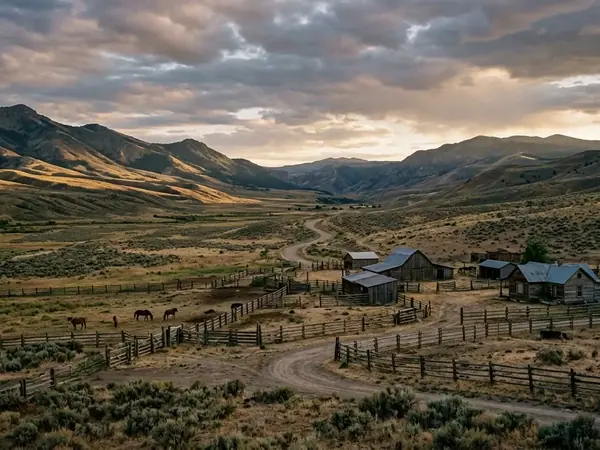
The Difference Between a Stetson and a Paycheck
Consider the structural shift in a cowboy romance when the arena functions as a demanding employer. The genre frequently relies on a visual shortcut to establish its heroes. Dirt, heavy steel chutes, and a well-worn hat stand in for a life that actually bills, bruises, and abruptly ends a season. This aesthetic approach reduces a grueling profession to mere costume design. Reader correspondence has highlighted a demand for working-class authenticity, shifting attention toward rodeo as an economic engine rather than a visual aesthetic.
The reality of the circuit demands a relentless pace that actively shapes character agency. The summer run spanning mid-June through early September requires crossing an average of three to four state lines per week. This is a logistical marathon. Characters operating under this pressure cannot simply linger at a local diner to advance a romantic subplot. Their movements are dictated by the draw, the distance, and the diesel tank. Kathleen Eagle’s contemporary Westerns treat this arena life as immense pressure on character. The environment forces choices, dictates availability, and ultimately tests the emotional resonance of the central relationship.
Financing the Ride Across State Lines
The rodeo circuit operates as a strict, unforgiving working economy. Event entry fees ranging from roughly $150 to $400 are due before a rider ever settles onto a bull or bronc. This financial reality creates immediate, tangible stakes for the protagonist. Traveling about 400 to 600 miles between weekend draws burns through fuel, tires, and patience. The purse that characters chase can vanish in a single wreck or a bad draw, leaving them stranded far from home with a negative balance.
Money talk belongs directly in the love scenes of a grounded Western. The tension of who pays the entry fee, who takes the wheel for the overnight drive, and who waits on a check that never posts builds genuine intimacy. These conversations reveal vulnerability and trust far more effectively than manufactured misunderstandings. A hero who never worries about the gate is effectively unemployed on the page. True stoicism in this genre comes from facing the ledger, acknowledging the dwindling funds, and choosing to make the drive anyway.
Recognizing the Circuit-Fee Romance Boundary
When authors discard the fantasy of the wealthy ranch owner, they must embrace the mechanics of the working rider. Rather than wealthy ranch-owner romances, the focus here remains on circuit riders whose unpaid gate fees actively stall the plot. This boundary ensures the narrative remains anchored in the daily struggle for solvency. The romance must survive the financial strain of the circuit, or it fails to reflect the reality of the profession.
Living by the Draw and the Slack Performance
The season operates on a rigid calendar that overrides anniversaries, harvest times, and the heroine’s local commitments. Against traditional romance pacing, mandatory slack performances naturally interrupt standard relationship milestones. Slack performances scheduled for Tuesday or Wednesday mornings force characters into empty arenas at dawn, far removed from the glamour of the weekend crowd. This isolation creates a unique space for character development and quiet connection.
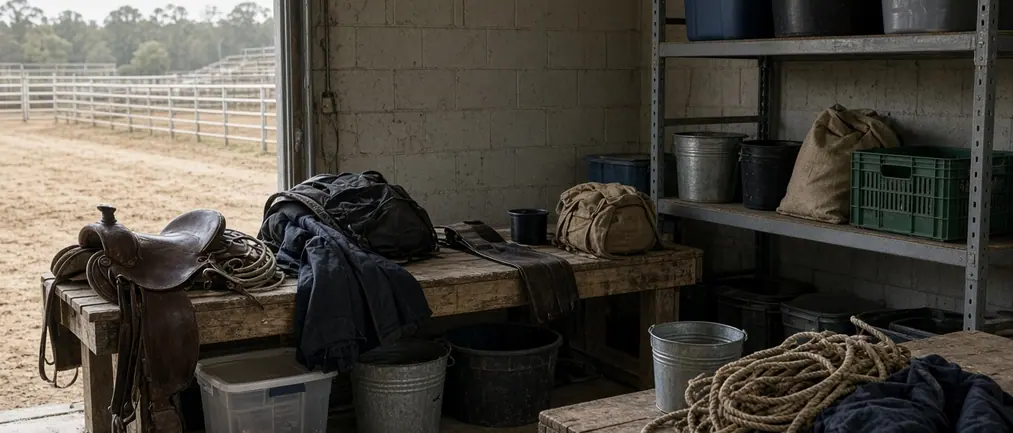
A roughly 48-hour window to reach the next arena dictates the rhythm of the relationship. The couple must navigate their emotional landscape while hurtling down the interstate. The subculture surrounding them lacks any tourist gloss. Stock contractors, pickup men, and secretaries at the office window form a tight-knit community. There is a quiet, constant ranking of who still belongs in the alley and who is holding on too long. Loyalty, fierce rivalry, and borrowed rigs create a specific, insular intimacy that a single, static ranch setting cannot replicate.
The True Cost of a Fractured Collarbone
Authors frequently use a limp, a fresh wrap, or a dramatic night in the local clinic as mood lighting for a cowboy. This approach treats physical trauma as a temporary obstacle easily cured by the heroine's attention. Real injury fundamentally alters the trajectory of a working rider's life. A mid-season injury can be financially devastating, and the plot should reflect the demands of recovery.
The math of an injury is brutal and unforgiving. Around six to eight weeks of mandatory recovery for a fractured collarbone guarantees the loss of up to a dozen entry fees during the healing period. This physical risk separates the immediate danger of the animal and the dirt from the quieter, more insidious damage. The true conflict lies in the fear of the next ride, the stubborn pride that refuses to sit out, and the partner who learns to listen anxiously for a phone call after slack. Injury must change the plot. It brings mounting bills, lost opportunities, and a season cut short. It should never serve merely to muss a hero before the final clinch.
Kathleen Eagle’s Blueprint for Working-Class Authenticity
Kathleen Eagle’s contemporary Western romance serves as a working model for the genre. In her pages, arena life arrives as a stack of bills, battered pride, and the relentless grind of showing up. The relevant titles in her bibliography explicitly tie the protagonist's romantic availability to their standing in the rodeo rankings. Her work from roughly 1998 through 2003 demonstrates a clear understanding of the circuit's economic pressures.
These narratives incorporate specific stock contractor negotiations, grounding the fiction in the actual business of rodeo. Her characters are working people whose choices are constrained by their environment. This framework applies strictly to contemporary circuit-based narratives, excluding historical Westerns where frontier survival replaces organized rodeo economics. The craft move readers can extract from Eagle's work is clear. Let the chute, the entry fee, and the grueling season press heavily on dialogue and choice. Love requires a solid, realistic foundation to survive the demands of the arena.
The Biological Clock of the Roughstock Rider
The emotional engine of a mature rodeo romance relies on a specific gamble. The wager involves another year of fees, ice packs, and a body that may eventually refuse to answer the whistle. The turning point comes when the physical toll of the arena begins to outweigh the potential purse. This realization forces a reckoning between the character's identity and their physical limitations.
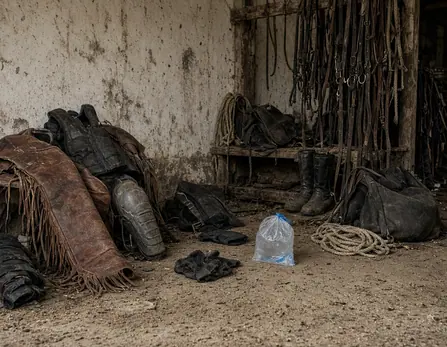
The timeline for a roughstock rider is exceptionally brief. Peak performance decline typically occurs around ages 28 to 34. This reality leaves a roughly three-to-five-year window before mandatory retirement from roughstock events. The pursuit of 'one more season' inevitably collides with marriage, children, land ownership, and the person waiting in the stands. Sometimes, that person refuses to wait any longer. The most compelling, adult cowboy romance allows the hero to lose the argument with time. Acknowledging the end of a career opens the door to a deeper emotional resolution.
Tracking the Chute-and-Ledger Narrative Breakdown
When the physical toll aligns with the financial reality, the narrative gains weight. The breakdown occurs when the character realizes the purse no longer covers the cost of the pain. This intersection of body and bank account forces the choice between the arena and the relationship.
Demand the Ledger Alongside the Romance
Refuse the wallpaper arena entirely. Do not finish a cowboy romance that fails to name a fee, detail a wreck, or acknowledge a season that might be the rider's last. A practical test is to look at how quickly financial stakes appear in the opening chapters. Evaluate the first three to five chapters for financial terminology. You should identify at least one missed payout within the first act. If the hero could swap the bucking chute for any photogenic job and the plot would remain completely unchanged, the arena was never actual work. Return to Eagle’s standard of Western fiction, where love shares the calendar with the circuit, and demand that exact level of economic seriousness from every dusty cover you open next.