Mythic Figures as Pathways to Healing
Romance narratives need a sturdy frame for emotional recovery. The author uses Sioux mythology not as a decorative backdrop, but as part of the structure supporting character development. Iktome and Coyote operate as narrative tools that help the protagonists heal. The emotional resonance of a mythic figure varies heavily depending on whether the character is interacting with elders on the reservation or navigating urban spaces.

Red Road ethical tenets appear consistently in protagonist dialogue across manuscripts from the late 1990s and early 2000s. This tradition frames ethical living and spiritual recovery, providing a clear trajectory for characters overcoming profound trauma. Coyote narratives mirror a roughly 14-month addiction recovery timeline, aligning mythic cycles with clinical realities. The trickster figure disrupts destructive patterns, forcing the protagonist to confront internal contradictions before achieving relational stability.
Summary: Mythic storytelling functions as a structural pacing mechanism for emotional arcs, ensuring character growth aligns with established cultural frameworks rather than generic romance beats.
Refuting the Stoic Warrior and Sidekick Tropes
Dismantling the stoic warrior trope requires historical specificity. Fictional backstories cross-reference documented first-person accounts from 1970s activism, ensuring protagonists carry authentic generational weight. Elder characters frequently reference a roughly 70-day standoff period, grounding their modern perspectives in documented resistance. Characters like Zane Lone Bull and Sage Parker embody lived complexity over Hollywood shorthand, reacting to conflict with humor, frustration, and vulnerability rather than silent endurance.
Victor's documented journey of around two decades of cultural reclamation serves as a pacing model for character growth. This extended timeline counters the static Tonto imagery prevalent in earlier genre fiction. Works like Smoke Signals and Reservation Blues demonstrate how contemporary indigenous identity involves active negotiation with modern culture. Jim Boyd's music and references to texts like Lakota Woman and Prison Writings provide a set of intertextual references that supports the story structure.
Food, Games, and Community as Cultural Anchors
Failing to ground indigenous characters in specific regional practices often results in interchangeable, pan-Indian stereotypes that alienate informed readers. The author anchors stories in Pine Ridge reality through the careful depiction of daily traditions. Doris Eagle's fry bread preparation requires dough to rest for about 30 to 45 minutes before frying. This temporal constraint forces characters into sustained dialogue, turning a culinary process into a natural crucible for character development.
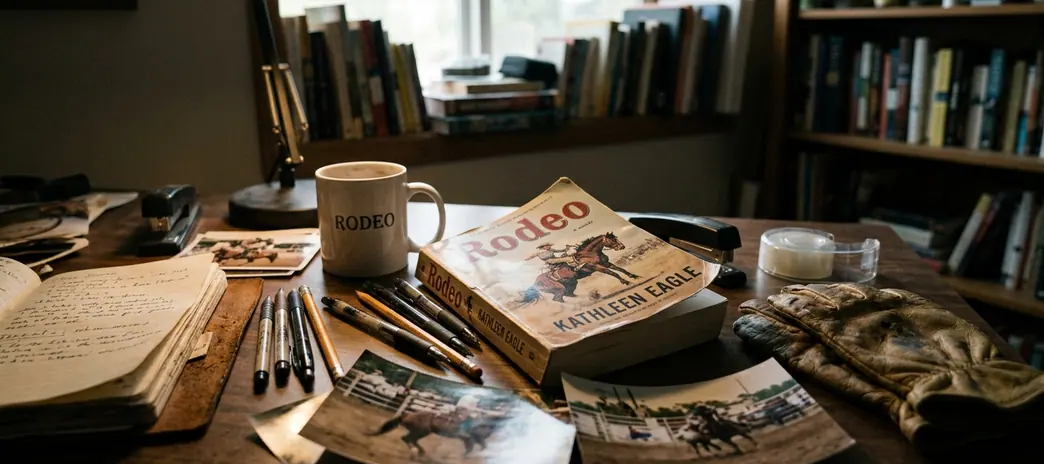
The regional Indian rodeo circuit schedule, running from late May through early September, dictates the seasonal movement of the narrative. Stick Games and rodeo events operate as living practices that drive plot logistics. Cross-cultural threads emerge naturally through culinary references, such as Oreillettes and Canistrellis, highlighting historical intersections without appropriation. These elements ensure the romance develops within a functioning, active community.
Quick Tip: Use seasonal community events to dictate narrative pacing. A summer rodeo circuit provides built-in deadlines, travel logistics, and natural convergence points for character interaction.
Heroes Rooted in Specific Lakota Experience
Generational trauma and triumph shape the contemporary hero. Character backstories detail Vietnam-era draft and service deployments from the late 1960s into the early 1970s, directly linking figures like Kiah Red Thunder to mid-century military experiences. This temporal anchoring explains character motivations, avoidance patterns, and eventual pathways to connection. Ben Pipestone and Whirlwind Rider reflect the grueling physical and economic realities of ranching and rodeo life, stripping away romanticized notions of the American West.
Historical narratives set Jacob and Carolina close to 1896 to explore the immediate generational aftermath of late nineteenth-century conflicts through Lakota eyes. This era demands a rigorous examination of survival and adaptation. In contemporary settings, Clara and Anna Pipestone add generational college and family perspectives, illustrating the evolving nature of indigenous success. Novels like A View of the River demonstrate how these specific historical anchors elevate the standard romance plot into a study of cultural endurance.
Scope of One Author's Lens
Analyzing narrative structure requires strict boundary setting. Reader discussion threads archived from the mid-2000s reveal the tangible impact of these structural choices. Several dozen forum posts detail reader reactions to the portrayal of Lakota family dynamics, confirming that audiences recognize and respond to culturally specific character structure.
Whether a reader consumes these narratives in e-format or a traditional trade paperback, the underlying mechanics remain consistent. The structure relies on the careful application of mythic frameworks and historical data. A late-1990s trade paperback edition uses the same pacing mechanisms as a modern digital release.
Note: This analysis strictly reflects the narrative choices within a single author's bibliography and cannot serve as a complete anthropological survey of Oglala or Lakota belief systems.