The Cost of Explaining the Enigmatic Friend
An evening spent with a heroine who no longer carries the charge that made you ask for her story represents a distinct emotional loss for a reader. You might skip a follow-up novel on principle, missing out on one of Kathleen Eagle's conversions that actually works. The supporting player you loved lived partly in what the original book refused to explain. A lead novel is hired to explain her.
Expanding a character's on-page presence from a handful of scenes to a full 300-plus page manuscript changes her narrative function. The new book may cover a fictional timeline of approximately 4 to 6 months. The author must now detail behaviors, motivations, and quiet moments that were previously left to the reader's imagination. The mystery evaporates under the harsh light of a primary viewpoint.
Evaluating this transition requires a close reading of Eagle's linked Western and contemporary story worlds rather than relying on a publisher's sequel checklist. That trade is worth seeing clearly. A character's agency helps show which supporting players can carry their own narrative arc.
Bypassing the Orientation Phase on the Ranch
Returning to an established setting offers an immediate narrative advantage. You gain a ranch, a small Western town, and a family already seated at the dinner table. The original novel already taught you how to walk through this community. Secondary people in Eagle's books function as emotional landmarks. The friend in the doorway, the rival at the fence, and the relative who already knows the hero's worst habit provide instant context. The follow-up starts with recognition instead of orientation.
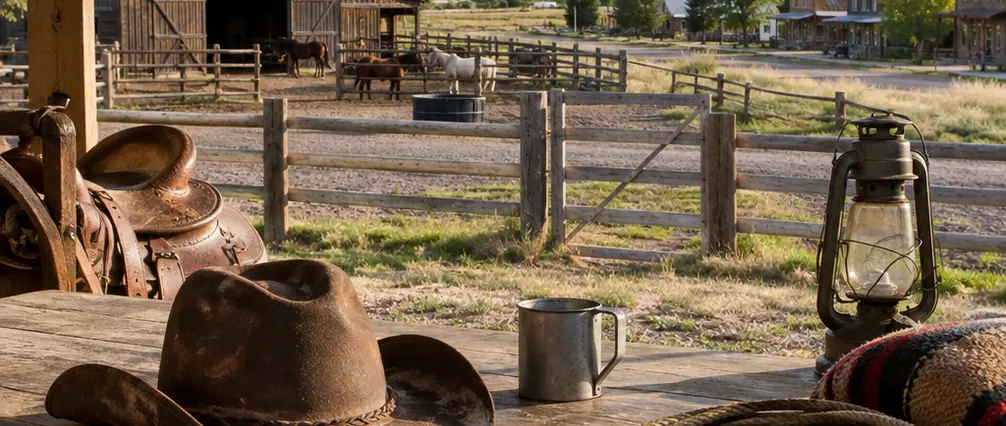
Readers may spend the first 3 to 5 chapters of a standalone novel learning the community hierarchy and local geography. Returning to an established ranch setting lets the narrative move past much of that orientation. The story reaches the central conflict sooner.
This comfort contrasts sharply with first-in-series reading. You trade the discovery of place and kinship for speed into the new couple's trouble. The world is already built, allowing the emotional resonance to take precedence over world-building logistics.
The Rapid Depletion of Withheld Presence
Limited scenes created the supporting character's allure. Close third person in her own novel fills the gaps readers were happily inventing. There are two distinct kinds of narrative secrets: plot withheld and presence withheld. Only the second is almost always spent when she becomes the viewpoint character.
Shifting a character from a peripheral observer to a close third-person perspective exposes her internal monologue. A look across a kitchen becomes motive, history, and dialogue over a 6- to 8-week courtship. The unspoken charge can flatten into mere competence as the character is forced to articulate every passing thought.
Preserving the Unspoken Tension
This distinction matters most in character-driven contemporary Westerns where community roles are rigid. It may matter less in suspense, where external plot twists drive the sequel's momentum rather than internal emotional shifts.
When a character exists on the periphery, her silence reads as depth. Once she takes center stage, that silence must be translated into action and reflection. She needs to retain a core of independence even while her internal life is laid bare.
Geographic Inevitability in Contemporary Westerns
Contemporary Western romance almost dares the spin-off. Land, work, and family keep the supporting player on the property long after the original wedding concludes. Eagle's towns and ranches give the new lead a role the last book already named. They are the neighbor, the in-law, the hired hand, or the old flame still residing in the county. The conversion feels earned and simultaneously pre-solved.
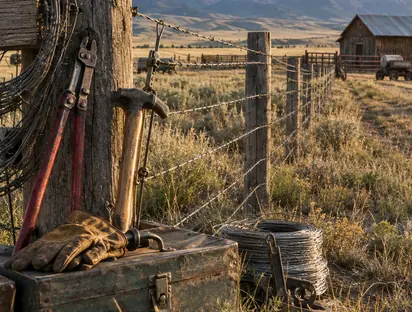
Characters tied to a family ranch remain within the same 50- to 100-mile radius as the original couple. A 3- to 4-month fictional harvest or calving season can keep them moving through familiar places and community conflicts. The setting restricts their physical movements while intensifying their emotional collisions.
A follow-up that inherits a job—keeping the ranch running, keeping the family intact—operates differently than one tasked with inventing a conflict the original community could not contain. The inherited job provides a sturdy framework, but it risks reducing the new protagonist to a caretaker of the previous couple's legacy. The narrative must push against those geographic boundaries to establish a distinct emotional territory.
Testing the Limits of Family Consensus
Conversions that hold give the character a new conflict the original book had no room to contain. Conversions that fail reduce her to a tour guide through last season's kitchen. In Eagle's follow-ups, she must still surprise people who already know her intimately. Her desire must stand apart from the previous heroine's trajectory. The land and family must function as active pressure, never just scenery she explains to a newcomer.
A successful transition introduces a primary conflict that requires the character to act against the established family consensus. If she yields too quickly to the community's expectations, she loses the edge that made her worth following.
The best-friend sequel, the brother's book, and the rival's book spend mystery at different rates. Proximity to the original couple guarantees a starting audience, yet it guarantees nothing about the quality of the leftover story. The rival often makes the most compelling new lead because her opposition to the family consensus is already established, providing a natural friction that sustains the new narrative arc.
Isolating the Original Narrative Weight
Before purchasing or starting the follow-up, reread only the scenes in the original Eagle novel where the supporting character appears. Ask whether you wanted her story or her effect. If you wanted her effect—the unfinished look, the untranslated loyalty—approach the sequel as an entirely separate book. If you wanted a conflict the first book could not stage, that is the follow-up worth opening tonight.
Those scenes separate the character's initial impact from the first book's plot. They bring into focus what drew you to her in the margins. In her own book, the unfinished look can no longer remain unfinished.