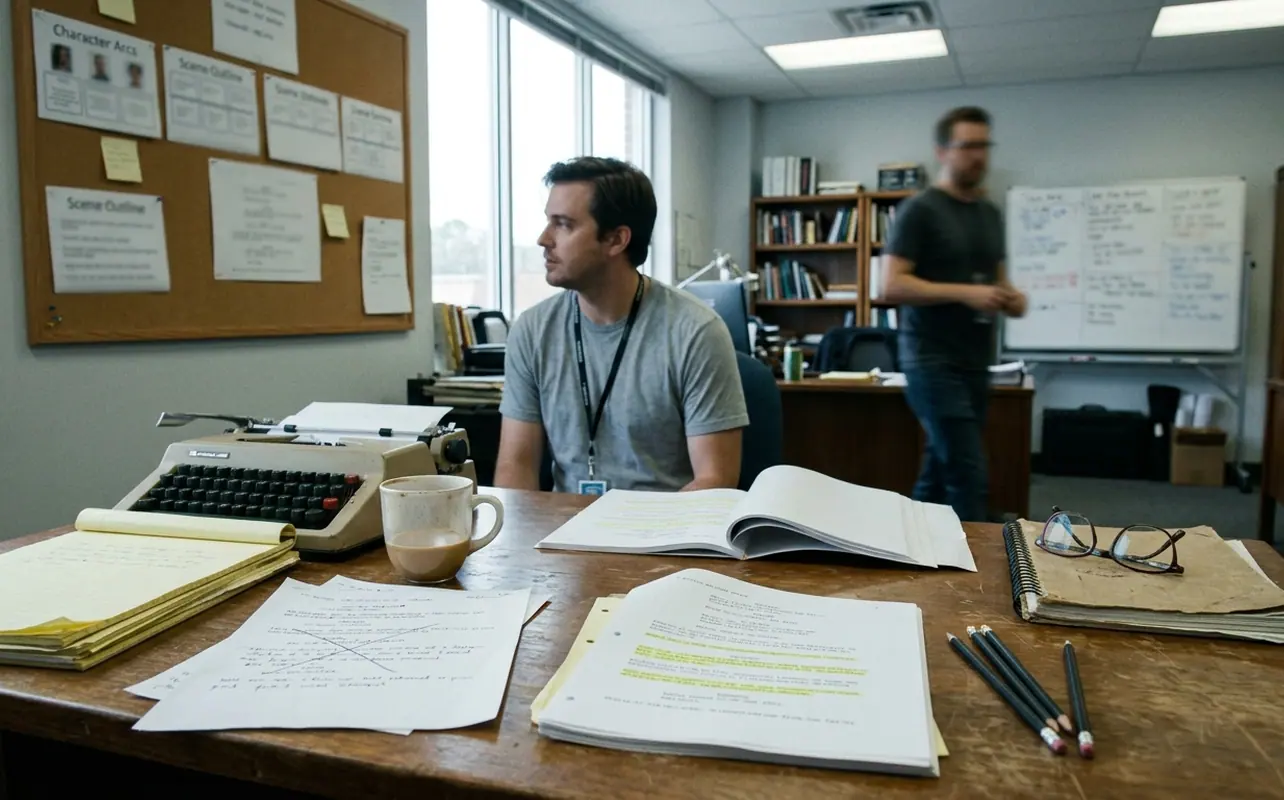
Steam on a Kitchen Window and a Line That Will Not Finish
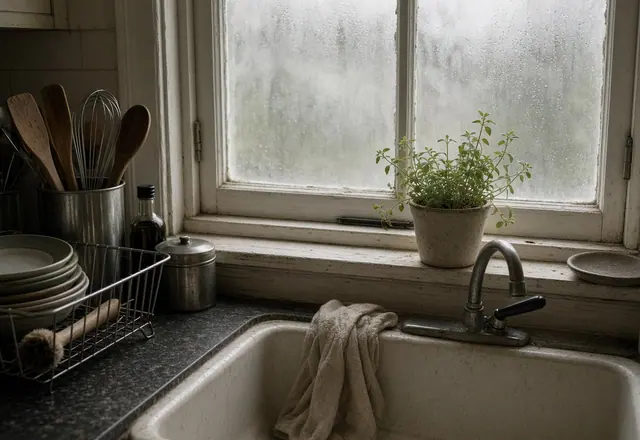
At dusk, the ranch kitchen holds two ceramic mugs on a Formica counter. Steam clouds the window above the sink. One person has a hand around a mug; the other stands near the door. The offer begins: “You could stay until…”
The sentence stops there. Whoever stands by the door has already turned toward it, and the person at the counter may have seen enough to abandon the invitation. Before either explains, the room has changed. An unfinished offer can reveal who wants the other to stay, who fears asking outright, and how much an answer might cost.
This kitchen exchange is an imagined way into Kathleen Eagle’s talk scenes, not a quotation from a novel. Its useful detail is the break in speech. In Eagle’s contemporary Western romances, a character can reach an emotional turning point while trying to say something ordinary. The reader hears the risk in the words that make it out and feels it in the words that do not.
When Eagle Lets the Spoken Line Do Exposition’s Work
A paragraph of interior thought can tell a reader that someone has changed her mind about leaving. A line spoken across a kitchen table makes another person live with that change. “I’ll be here in the morning” gives the listener something to believe, challenge, or remember if morning comes and the speaker is gone.
That is the difference worth listening for in Eagle’s conversations: speech enters the shared world of the story. A private realization may guide a character’s next move, but an admission alters the other character’s choices at once. The plot turns because someone else has heard it.
The pattern is especially useful when reading Eagle’s contemporary Western romances from 1998 through 2003. Earlier historical titles may give exposition a different share of the work, and no single device governs every page. Within these later romances, though, a reader can watch for the moment a feeling becomes a claim another character must answer.
The Line Someone Else Can Hold
Consider an imagined exchange about a horse that needs collecting before dark. “I’ll go” settles the immediate chore. “You don’t have to come with me” opens a second question: whether the speaker expects company and why asking for it feels difficult. Eagle’s kind of conversational hinge often sits in that shift from practical business to personal consequence. The task remains in view while the relationship moves.
Speech Rhythm as the Weather Report of an Eagle Love Story
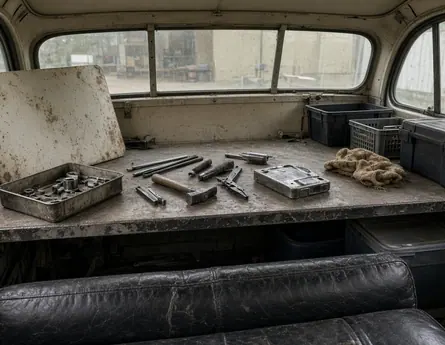
A pickup cab gives two people very little room to escape each other. The windshield holds the road ahead; the conversation stays close to the seats. An answer like “Fine. Take the turn” can sound settled or furious, depending on what came before it. Short replies let irritation keep time with the tires.
Back at the ranch house, a speaker may have space for a longer sentence, one that begins with supper and wanders toward the subject both people avoided in the truck. On a porch, the pace can stretch again. One person finishes a thought, and the other waits long enough to show that the words landed. These changes in cadence give a reader a way to hear the relationship’s weather without an announcement about its mood.
Repetition matters, too. If a pair has spent a quarrel tossing back the same answer, a new response can be more revealing than a grand declaration. Imagine one asking, “Are you coming?” and hearing “You know I am” until, after a difficult day, the reply becomes “I hoped you’d ask.” The words still concern the journey. Their rhythm and emphasis tell a different story about who is willing to be wanted.
The useful reading habit is simple: listen for the beat an argument has taught you to expect, then notice who breaks it. A softer answer from the person who usually snaps may mark a change. So may a brisk reply from someone who once filled every silence.
The Pause Eagle Leaves After a Dangerous Sentence
Silence can make a speaker do more damage than an answer would. On an imagined porch, one character asks, “Were you going to tell me?” The other looks toward the pasture. After that withheld reply, the first speaker tries again, adding a guess, then an accusation. The obstacle grows through the extra words the silence draws out.
On the page, a paragraph break can give the reader time to feel the unanswered question. A spare dialogue tag may leave little guidance about how to judge the quiet. The eye moves down to the next line while the mind stays with the person who has refused to speak. That visual pause gives the refusal weight.
A kitchen exchange can work the same way with a smaller gesture. Someone asks whether a letter arrived. The other rinses an already clean mug. The action takes the place of an answer, and the question changes shape: what was in the letter, and why can neither person name it? A writer could explain the fear in private thought. Eagle’s conversational approach often lets the refusal itself press the scene forward.
Readers can test this on a reread by stopping at the unanswered question. Notice who fills the gap and whether that second attempt makes an honest reply easier or harder. The pause has a direction; it sends one speaker further into the trouble.
The Joke That Lands Late and Tells the Truth Anyway
Dry humor has room to breathe in Eagle’s West. It can arrive after someone has shown too much hurt to hide it cleanly. The delay matters. A quick joke might keep a conversation on its usual track; a late one lets the difficult sentence hang in the air first.
Picture two people cleaning up after a strained supper. One says, “I thought you’d be gone by now.” The other stacks the last plate and answers, “With these dishes still here?” The remark offers a familiar bit of teasing, yet it also says the speaker stayed. Neither person has to deliver a speech about loyalty for the choice to register.
A joke like that changes the terms of closeness. The first speaker can accept the invitation to laugh, or let the silence stand and ask what staying means. Humor gives both people a little cover while leaving the truth available. It belongs to the action of the scene because the next answer will tell them whether they can speak more plainly.
When a line gets a laugh on a reread, it is worth looking back at the sentence just before it. Eagle’s warmth often gathers there, where a small crack in the tension lets tenderness show without forcing either character to name it.
Who Cuts Whom Off, and Why Eagle’s Story Cannot Reverse
Interruption has a physical feel in a kitchen quarrel. One person steps toward the counter and begins an offer; the other cuts across it with a settled decision. The first speaker can still try again, but the original moment has passed. The listener and the reader now know an offer was coming.
Watch whose sentences reach their ends. A character who repeatedly stops the other may control the immediate argument, while revealing fear of what a completed accusation might contain. In a truck-cab standoff, there is nowhere to walk away. A cut-off answer stays between the seats for the rest of the drive.
What the Unfinished Promise Leaves Behind
At the line level, a dash at the end of speech can show exactly where another voice takes over. Its placement invites a practical question: who prevented the sentence from finishing? Punctuation alone cannot settle the power balance, but it helps locate the instant when one character claims the floor.
Suppose an imagined speaker says, “When we get home, I’ll—” and hears, “You already made your choice.” The broken promise becomes unfinished business. Later, the story can return to what was meant, what the listener assumed, and whether either person is ready to hear the rest. The interruption creates a debt in the conversation, one the next scene may have to pay.
One Last Porch Sentence After the Weather Breaks
After rain, two chairs face the pasture from a ranch porch. Water drips from the eaves, slow enough that the space between drops feels deliberate. One person comes out carrying the mugs. The other moves a chair closer without asking.
“You left the light on,” the one with the mugs says.
“Thought you might want to find the door.”
The answer sits there with the smell of wet boards and the sound of water falling into the grass. A chair waits beside the first, and the person holding the mugs takes a step toward it.