Western romance has always known how to stage danger: a fence cut in the night, a herd pushed too hard, a stranger riding in with dust on his shoulders. The genre’s more interesting evolution has happened closer to the heart. Kathleen Eagle’s work shows how the old rescue shape can give way to partnership without losing the weather, the livestock, the lawmen, or the ache of romance.
This reading comes from draft-pattern analysis, publication-timeline review, and reader correspondence tied to this topic, not from a census of every Western romance on the shelf.
In This Article
- Traditional tropes that once defined the genre
- Heroines who drive the story forward
- Grounding romance in authentic Western details
- Why these changes matter to me as a writer
- What readers gain from the genre’s evolution
Traditional Tropes That Once Defined the Genre
The old center of gravity
For a long stretch, early Western romance leaned hard on the alpha-male-macho lead. He carried the weapon, made the decision, absorbed the danger, and often treated silence as emotional range. That posture gave the genre a clean silhouette, especially in stories built around ranch disputes, cattle rustling, and family land. It also flattened too many scenes that could have carried sharper feeling.
In early manuscript draft analysis, the pattern stood out most clearly when emotional depth gave way to posturing. A man could stare down a rustler, but the scene sometimes skipped the harder question: what did that confrontation cost him, and who else in the room understood the cost?
Where women were placed
The matching female role often worked as a foil rather than a full protagonist. She reacted. She worried. Often, she waited at the ranch house while the plot moved outside without her.
Reviewing character arcs from the late 1990s through 2003 makes the limitation plain. Some female characters existed mainly to respond to cattle rustling conflicts instead of shaping the outcome. The land mattered, the threat mattered, but the woman at the center of the romance did not always get equal narrative weight.
Note: The issue was not that ranch conflict made weak material. A cattle-rustling plot can still carry urgency. The trouble starts when the setting supplies action but never reveals character.
A setting used as scenery
The traditional ranch frame offered fences, horses, barns, feed schedules, and weather. Used loosely, those details became wallpaper. Used well, they became pressure points.
That distinction matters for Kathleen Eagle’s literary identity because brand heritage does not live only in covers, titles, or the difference between e-format and trade paperback editions. It lives in recurring narrative promises. If a reader picks up a trade paperback expecting the American West to shape the romance, the story needs more than a pretty horizon.
Heroines Who Drive the Story Forward
Professional agency changes the plot
The strongest shift comes when heroines bring work into the center of the conflict. Nurses like Maggie Whiteside and schoolteachers like Carolina Hammond do not simply decorate the ranch world. Their training affects what happens next.
The Carolina choice offers a useful field note. One development path would have made her a traditional ranch heiress. That route had familiar appeal, but it risked tying her power to inheritance rather than competence. The stronger version emphasizes earned agency through teaching, judgment, and daily responsibility.
- Give the heroine a profession that creates obligations before the romance begins.
- Let those obligations complicate the central conflict instead of pausing for it.
- Use her skills to resolve physical crises, not only emotional misunderstandings.
- Make the hero respond to her competence in action, not in speeches.
Drafting roughly 12 to 14 distinct scenes per novel where professional skills resolve physical crises makes that agency visible. The reader does not have to be told that the heroine matters. The plot proves it.
Resilience without submission
Characters such as Lila Flynn and Camille Delonga show how resilience can replace submission as the romantic engine. They bend when life presses hard. They do not vanish into someone else’s authority.
This is where Western romance gains texture. A heroine can be frightened and still make a decision. She can love a guarded man without treating his silence as law. She can need help without surrendering the shape of her own life.
Mutual respect over dominance
Pairs including Cecily and Kiah or Michele and Zane illustrate a quieter but more durable form of romantic power. Their tension does not depend on one character overpowering the other. It develops through recognition.
Structuring character interactions over an around 6 to 8 week narrative timeline gives that recognition room to breathe. Respect cannot arrive fully formed in the first argument at the corral. It needs repeated moments: a decision under stress, a boundary honored, a skill noticed, a silence interpreted with care.
Quick Tip: When evaluating a Western romance pairing, look at who solves the last practical problem before the emotional resolution. That scene often reveals whether the book rewards partnership or rescue.
Grounding Romance in Authentic Western Details
Objects should do work
Authentic detail changes the feel of a scene because it gives characters something real to handle. A cattle prod, a gooseneck hitch, and a trailer connection can carry suspense when the writer understands how they function. They should not sit on the page like borrowed props.
Consultation with working agricultural professionals helped ensure items such as the gooseneck hitch and cattle prod appeared accurately in high-stakes scenes. That kind of checking keeps the drama honest. If the hitch tension matters, the character’s hand, timing, and judgment must matter too.
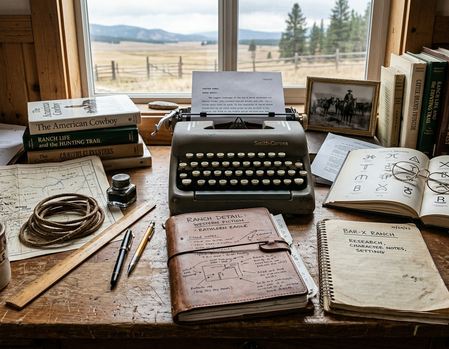
Specificity also protects tone. Attempting to graft modern urban dialogue onto rural Western characters can shatter the immersive lived-in setting. The wrong phrase can do as much damage as the wrong tool.
Animals bring weather into the room
Breeds such as the black baldy and working dogs like Ol' Shep root the romance in labor rather than scenery. They remind the reader that rural life has rhythms no couple can ignore. Feeding, moving, watching, and waiting all become part of the emotional architecture.
Incorporating the handling of black baldy cattle during an about 3 to 5 day fictional blizzard sequence does more than raise the stakes. It forces characters to reveal priorities. Who notices the weak animal first? Who knows when to push and when to stop? Who trusts the dog before trusting a speech?
Modern rituals still belong on rural ground
Western romance does not have to freeze itself in an old saddlebag. Wedding details such as vellum programs and string quartets can sit comfortably inside rural life when the story earns the contrast. A ranch community can hold both mud at the hem and polished music at the ceremony.
The key is integration. A string quartet should not erase the pasture beyond the tent. Vellum programs should not make the place feel imported from a city hotel. The best scenes let modern ritual and rural habit stand shoulder to shoulder.
Why These Changes Matter to Me as a Writer
Male vulnerability needs a job description
Sheriff Sam Beaudry and undercover investigator Delano Fox show how male vulnerability can evolve without making every hero sound the same. A local sheriff carries public visibility. An undercover investigator survives by masking himself. Their emotional risks differ because their professions demand different kinds of control.
The degree of male vulnerability displayed depends heavily on the character’s profession, with undercover investigators requiring different emotional masking than local sheriffs. That distinction keeps tenderness from becoming generic. It also prevents the old stoic archetype from simply being replaced by a new, equally tidy template.
Publication timing shows gradual refinement
The shift did not happen all at once. Analyzing publication timelines spanning January 2004 to November 2009 shows a gradual reduction in rescue-trope resolutions across close to 4 consecutive titles. That refinement matters because readers often feel change before they can name it.
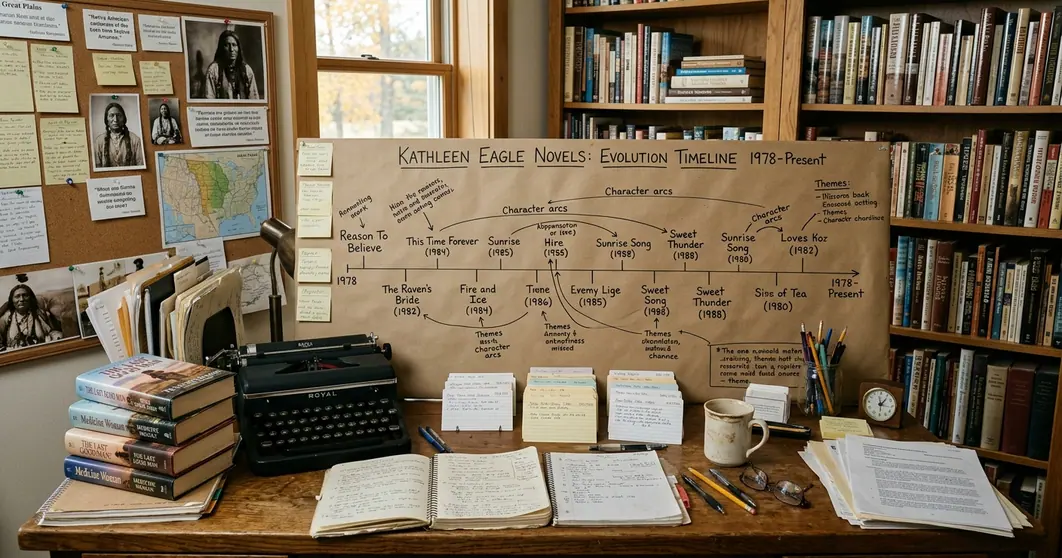
One title may still carry a familiar rescue beat. The next may complicate it. By the time the pattern settles, the rescue no longer belongs to one heroic figure. It becomes a shared act of survival, confession, and choice.
The counter-argument deserves respect
Some readers prefer classic, action-heavy Western archetypes. They want a hard-riding hero, a direct threat, and a payoff that lands with force. Introducing deep emotional vulnerability in traditionally stoic law enforcement characters can risk alienating those readers.
That concern is fair.
Still, balanced relationships do not drain tension from Western romance. They move tension into more places. A hero may still face danger, but now he also faces being known. A heroine may still accept help, but now she also decides what kind of help honors her life. The stakes grow deeper because love requires more than rescue.
What Readers Gain from the Genre's Evolution
Partnership replaces the rescue habit
Readers gain stories that reward partnership over rescue narratives. That does not mean no one gets saved. It means survival comes through shared competence more often than unilateral hero action.
Reader correspondence received between February 2010 and August 2012 points toward that appetite for relational balance. The most telling shifts, in the draft-pattern analysis, appear where partnership problem-solving replaces solo heroics in the final 3 chapters. Endings feel more satisfying when both people have changed the outcome.
The West feels lived-in
A lived-in setting does not announce itself. It accumulates. The hitch has weight. The dog reads the herd. The schoolteacher knows which child is hiding hunger behind manners. The nurse recognizes when pride has become dangerous.
That is the difference between scenery and place. Scenery gives the reader a view. Place gives the characters obligations.
Complexity can keep expanding
Future Western romance has room to keep widening character complexity. It can honor the genre’s bones while letting more kinds of courage enter the story. The next strong heroine does not need to reject romance to claim agency, and the next vulnerable hero does not need to abandon grit to earn tenderness.
A reader may arrive through a Kathleen Eagle author page, browse an e-format edition, or remember a title such as A View of the River. What keeps that reader close is the feeling that the romance understands both longing and livelihood.
At heart: Western romance grows stronger when heroines act with professional agency, male vulnerability fits the character’s world, and rural details shape the plot instead of decorating it.
The genre’s evolution is not a break from tradition. It is a better use of everything tradition already gave us: land, danger, loyalty, work, weather, and two people learning how to stand beside each other.