How Western Romance Came to Carry Two Kinds of Honor
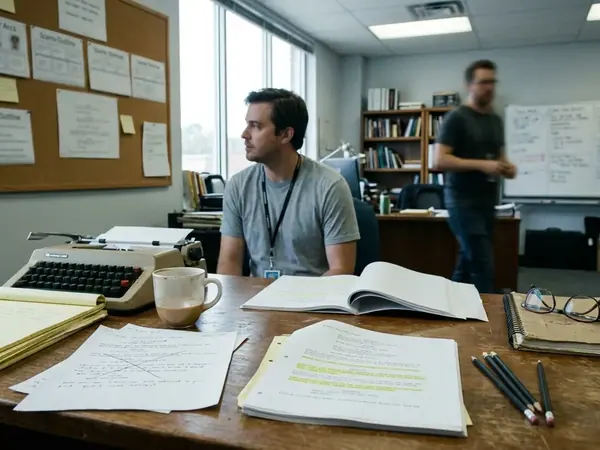
A glass trophy catches the light. Beside it, a Western romance paperback opens easily to a scene someone has read before. A reader ballot lies between them. Each object belongs to the book’s reception, though each tells a different part of its story.
Within the romance trade, juried honors give peers a way to recognize craft: the shape of a scene, the control of dialogue, the care with which a relationship develops. Reader-choice honors grow from another kind of attention. Readers nominate the stories they remember, return to, and recommend when someone asks for a book worth keeping.
Contemporary Western romance gives these two judgments especially interesting ground to share. A love story set among ranches, prairie towns, and working households asks its setting to carry real weight. Weather can change a day’s plans. Work can interrupt a conversation. Community ties can make a private decision matter well beyond the couple.
The writing has to make those pressures convincing, and the reader has to care what they do to the relationship.
A Shelf With Two Histories
Kathleen Eagle’s High Plains and Dakota-set romances offer a useful case. Their reception includes trade recognition alongside a continuing place in reader polls and the habits of rereading. Considered within contemporary Western romance, that combination gives readers a fuller way to approach her work than an awards list alone.
An archive arranged entirely by formal honors would put the judging season first. A shelf arranged entirely by reader affection would foreground the books people kept close. Placing those histories together brings a more useful question into view: what makes a Western romance deserve another reader’s time?
The answer starts with the distinction between a book that impresses during concentrated evaluation and a book that continues to invite company. Sometimes the same novel does both. Recognizing that overlap gives each kind of honor its proper place.
What a Western Romance Jury Examines in Its Season
A juried evaluation concentrates attention. Preliminary readers examine dialogue, pacing, and structural cohesion, then pass selected work onward for further consideration. That process encourages close scrutiny of choices a reader might feel immediately without stopping to name.
A trophy speaks for a particular eligible season, so a reader choosing for the permanent shelf should also look for signs that people continue to reread and pass along the novel.
Follow the Scene’s Work
Consider a scene built around winter ranch chores. At sentence level, the prose needs to make the action legible without burying the people beneath explanation. Dialogue should belong to the speakers and the task. The scene also needs a reason to occupy its place in the novel: perhaps shared work changes how the couple understands responsibility, or an unfinished conversation creates pressure that follows them indoors.
Those are craft questions. They concern the relationship among language, action, and consequence.
Pacing matters here because practical detail can either deepen a scene or stall it. A careful reader follows what changes. Does a character learn something? Does a choice become harder? Or does the exchange alter the balance between the lovers? A well-shaped scene gives its ranch work a dramatic purpose.
Ask What the West Changes
Genre innovation deserves equally close attention. A fresh use of the Western setting lets landscape, livelihood, and community influence the romance’s structure. A ranch can shape who feels free to leave. Weather can force cooperation. An obligation to neighbors can expose a difference in values that attraction alone cannot settle.
Changing the scenery leaves the deeper design untouched. Integrating place changes the decisions available to the characters.
This is where a jury’s focused reading can help a prospective reader. Recognition may draw attention to an unusual structure or an especially controlled use of setting. The next step is to open the book and see how that achievement feels across a whole relationship, including the quieter passages between its most striking scenes.
Why Readers Keep Returning to Kathleen Eagle’s Western Romances
A worn paperback carries a different record from a judging sheet. Its loose spine marks repeated opening. A note tucked inside recalls a recommendation. A copy that moves through a family acquires a small history of its own, attached to the people who wanted someone else to read it.
These habits help explain reader-driven acclaim around Kathleen Eagle’s contemporary Western romances. Fan ballots collect expressed preference; rereading and direct handoffs give that preference a life beyond the vote. The lasting question is which stories readers continue to make room for.
Place Becomes Part of Affection
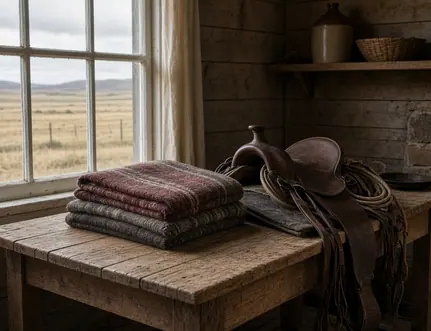
In Eagle’s High Plains and Dakota settings, ranch life and rural ties give readers concrete things to recognize. Chores demand attention. Winter grazing carries practical consequences. Community obligations reach into personal choices. Such details help a love story feel rooted in a place where life continues around the central couple.
That rootedness can become part of what a reader remembers. The emotional appeal may lie in a gesture made during work, a conversation shaped by fatigue, or the way a character answers someone else’s need. On a second reading, the reader can notice how the relationship took shape through those ordinary demands.
The setting earns affection through its effect on the people.
Read the Ballot Beside the Book
A reader-choice honor records a willingness to speak up for a novel. A fan poll gives that affection a visible form. When approaching an Eagle title through such recognition, a reader can carry a practical question into the opening chapters: what might make this particular relationship worth returning to?
Follow the answer beyond the most dramatic exchange. Notice whether the quieter scenes retain their warmth, whether familiar dialogue gains meaning, and whether knowing the ending changes the pleasure of getting there. Those observations turn a recommendation into a personal judgment.
Format can support that return. A trade paperback may become the copy kept beside a favorite chair; an e-format edition can make a remembered passage easy to revisit. Neither format supplies the attachment. Each gives the reader another route back to the story.
For anyone exploring Eagle’s backlist, reader memory therefore offers a valuable companion to trade recognition. It directs attention toward books that have remained part of readers’ lives, inviting a fresh reading rather than demanding agreement.
Where Craft, Western Invention, and Reader Memory Meet
The fairest comparison puts both honors beside the same open book. Three checks keep the reading grounded: sentence craft, the use of Western life within the plot, and the emotional pull of returning. Each asks something specific enough to test on the page.
Hear the Sentences Carry Ranch Life
Read a short passage aloud. Listen for rhythm, clarity, and the movement between action and dialogue. A scene involving Dakota weather or ranch work should let the reader follow both the physical task and the emotional exchange. Technical detail earns its space when it contributes to what the characters experience.
A juried honor can point toward that control. A favorite passage can reveal why readers treasure it. The same paragraph may answer both forms of attention.
Trace the Setting Through a Decision
Next, choose a consequential decision and trace what produced it. How did work, weather, or community responsibility narrow the options? What did the characters risk in choosing? This check gets beneath familiar Western imagery and into the novel’s construction.
A jury may respond quickly to an unexpected way of organizing those pressures. Readers may grow attached to that design gradually, as later readings reveal connections between an early obligation and a final choice. Immediate recognition and accumulated affection can arrive at different moments.
Return to the Emotional Hinge
Finally, reread the scene where the relationship changes direction. Does the exchange still carry feeling when its outcome is familiar? Does an earlier detail now seem more important? The urge to share that scene, or read a few lines aloud, gives reader memory something concrete to rest on.
The two honors can also diverge. A jury may favor structural freshness before readers have had much time with it. A ballot may sustain affection for a book that received less attention during a crowded publishing season. Keeping both judgments visible allows the reader to examine the difference rather than simply inherit a ranking.
The strongest overlap is a Western romance whose careful construction continues to reward affection. It gives the rereader more to notice and the close reader more to feel.
Give Both Honors a Place on the Lending Shelf
Reader-voted honors deserve equal weight with industry trophies when the question is a romance novel’s lasting value. The practical way to apply that judgment is to make room for both kinds of recommendation and then read closely.
- Choose a pair. Select a jury-honored Western romance and a reader-honored favorite from Kathleen Eagle’s bibliography or the contemporary Western shelves beside it. Use the actual honor attached to each title.
- Read them back-to-back. Keep the same questions in view: how the sentences work, how ranch or prairie life shapes the relationship, and which scenes invite another visit.
- Leave a brief note. On a separate slip tucked into a paperback, or in an e-format reading note, record one passage and one reason for recommending the story. Specific observations will be more useful later than a broad verdict.
- Return after a year. Keep both books within reach and set a reminder. Then ask which novel brings a particular friend to mind, and what makes that match feel right.
Keep Both Within Reach
If the honors point toward different books, keep both on the active shelf through that return visit. Allow the prose, the remembered relationship, and the wish to share it to remain part of the decision. A medallion on the cover and a place on a reader ballot each offer a reason to begin; attentive reading gives the recommendation its substance.
Give the reader ballot equal standing with the industry trophy, and choose the Western romance to hand on by the pages that still call for another reading.